

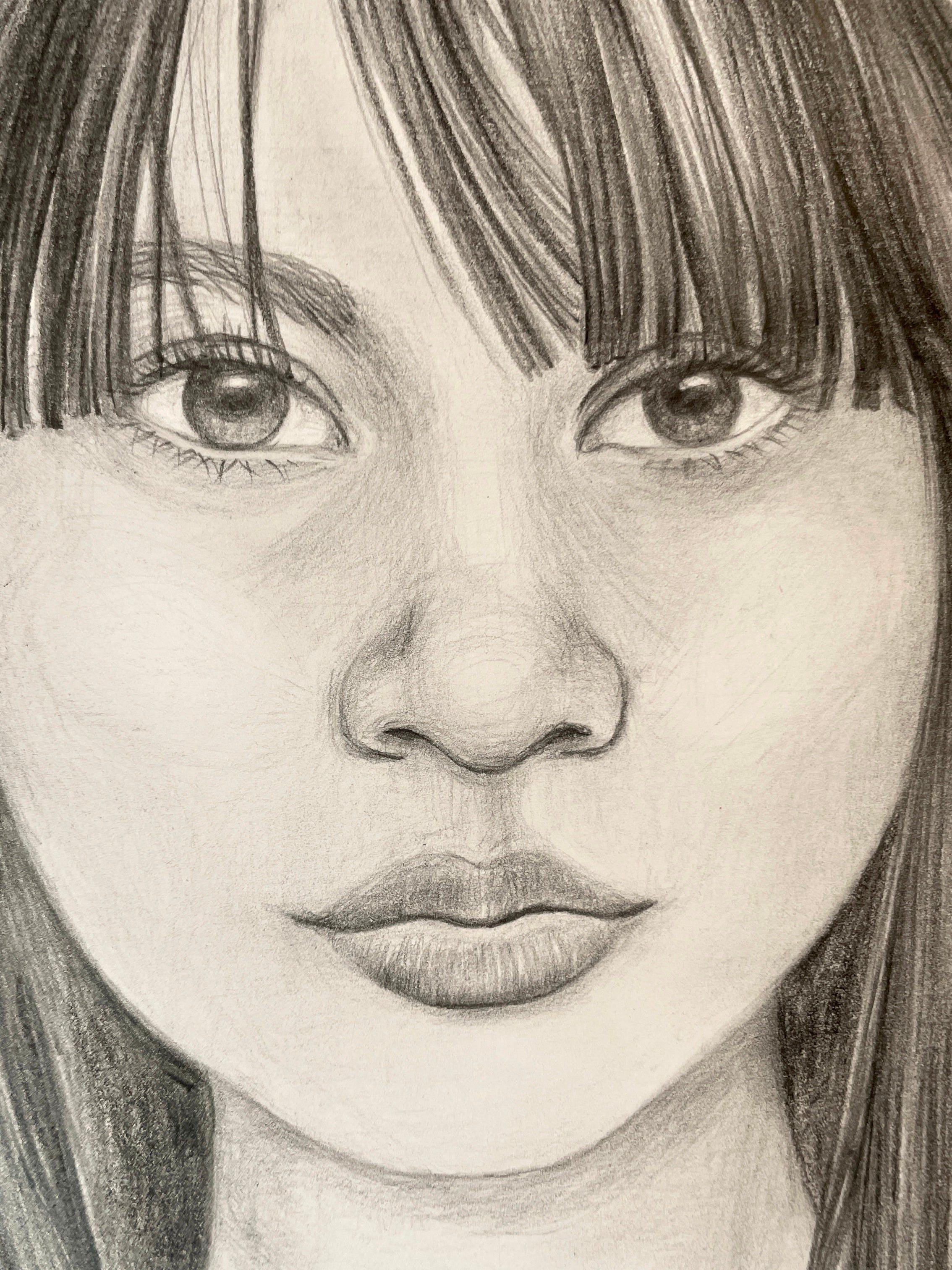
As a child, I had a secret fear. I never told anyone.
In my grandmother’s living room, there was a photo of an indigenous woman. Her face was strong, her skin looked rough.
And I cried, terrified that I might grow up to look just like her.
What I realized many moons later is that the fear was inherited pain, shaped by a history that told us our skin, our roots, were less than beautiful. Colonization didn’t just take land; it took stories, it reshaped our sense of beauty, and it taught us to doubt the mirror.
The Missing Stories
I grew up in a family with every shade of skin. Starting with my “white” grandmother, my grandfather was black and indigenous, and their children all had curly hair.
Yet they were taught to hide it, to straighten it, because “straight hair was prettier.” Unfortunately, this belief still affects many bi-racial and tri-racial people today.
The stories of who I truly was were missing, lost under these false beliefs. Even as a five-year-old, I had already learned not to love myself the way I was.
Facing History
Being that September is Hispanic Heritage Month, I thought this would be a perfect time to bring light to this subject.
This is a celebration that I never really cared much about, until a few years ago, when I began to see how this month is a chance to face that history, to embrace it, to speak about it. It’s a chance to unlearn the lies that have kept us from our true selves.
It’s also an invitation to share our history not only through my story, but through the eyes of other artists who use art to express their perspectives.
It is both an emotional release and an education—so that empathy can grow, and we can begin to understand our experiences.
Art as Healing
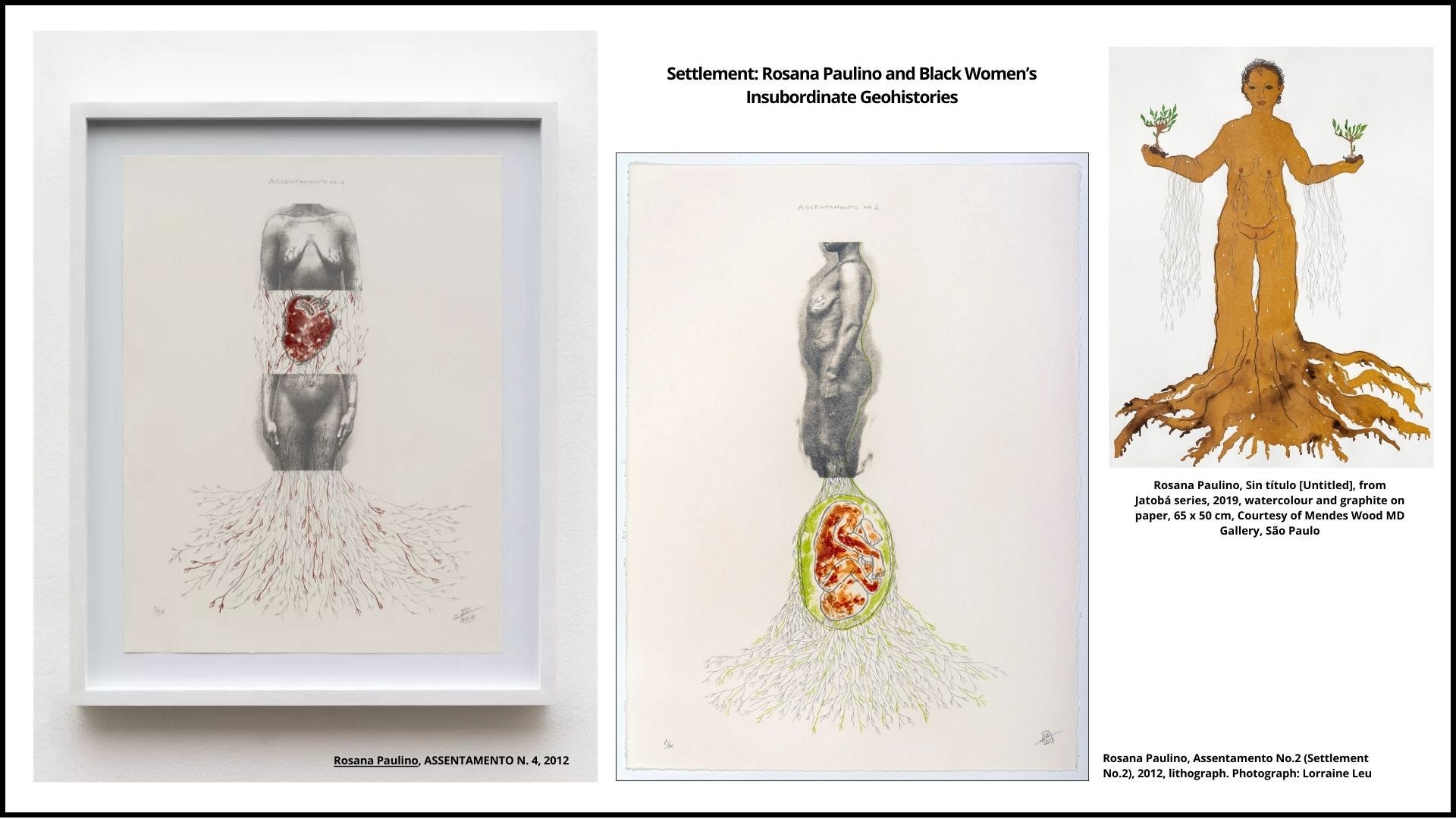
A perfect representation of this is the work of Rosana Paulino, a Brazilian artist whose work centers around social, ethnic, and gender issues. Her art confronts the scars of scientific racism through powerful installations that reclaim the dignity of Black and Indigenous women.
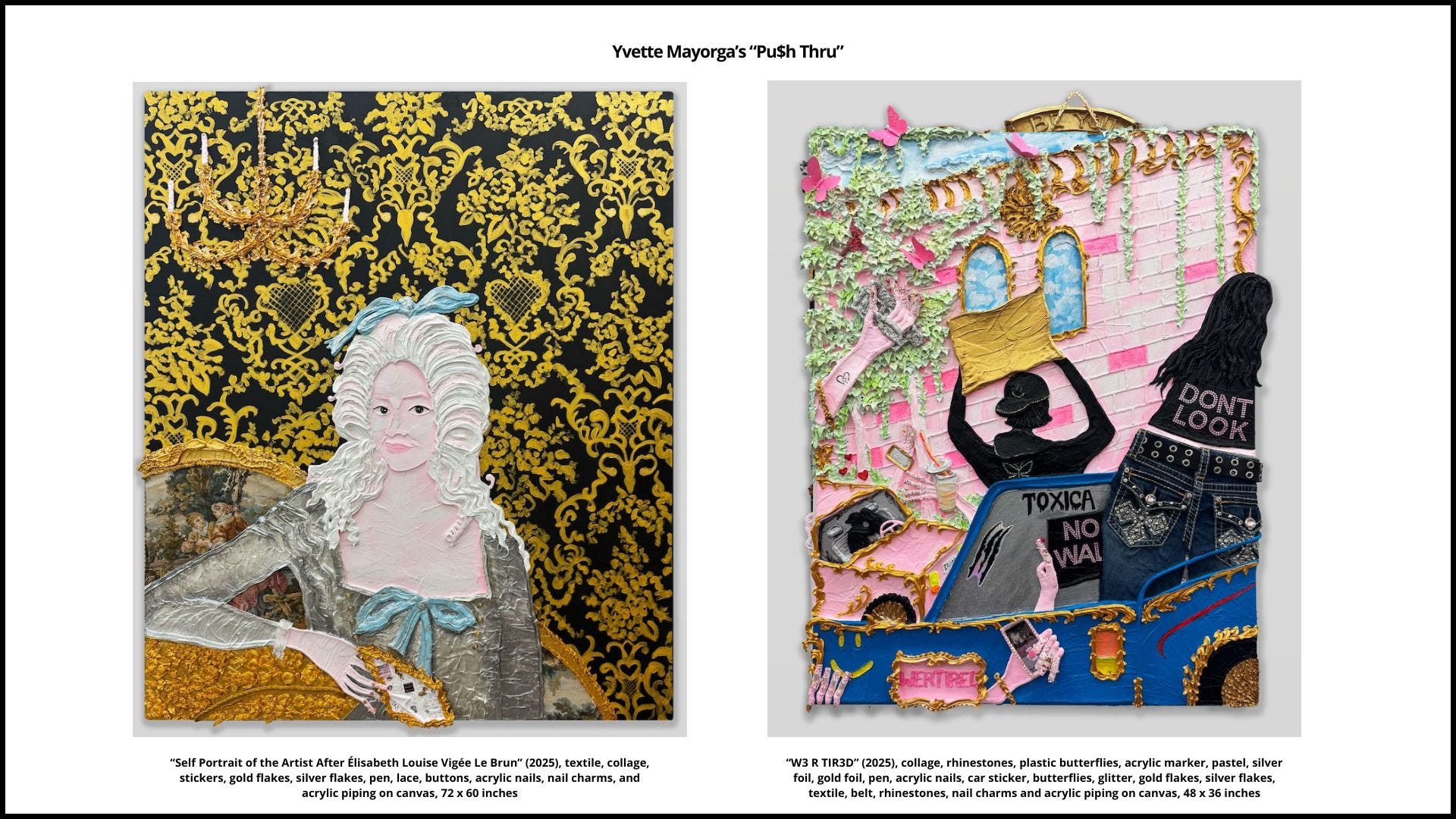
Then there is Yvette Mayorga, an artist based in Chicago, Illinois, who uses pink as a weapon of mass destruction. Her vivid multimedia work transforms stereotypes into celebrations of strength and survival.
These two artists remind me how art can educate, disrupt, and heal. And they have stirred something inside me: the courage to use my own art to heal from the generational disconnection of who I was, and to share the beauty of what it means to carry Indigenous blood.
Becoming Her
Because I’ve been teaching drawing classes, I decided to draw in pencil an indigenous woman. It’s been a beautiful experience to slow down and explore her facial features through only a pencil. This is new to me, just as drawing this woman is a new exploration.
I’m still thinking of what words she’ll carry and whether to add other mediums. But right now I’m focused on the pureness of who she is. That’s why there is no jewelry adorning her. I find her beauty alone is enough.
I want this drawing to be the photo of an indigenous woman that makes me cry, not because of fear, but because I am proud to carry her blood within me.
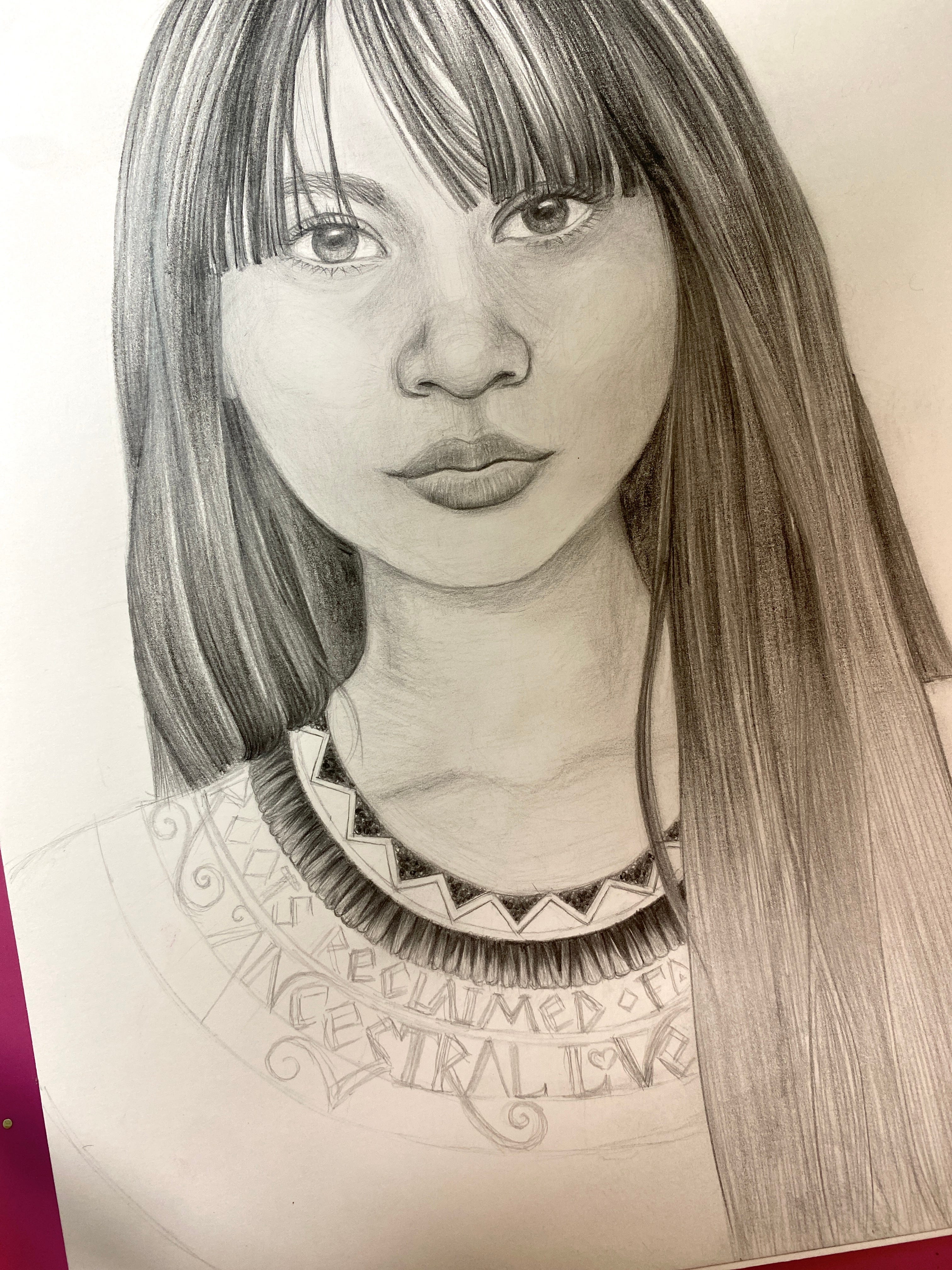
This is how art brings healing and how we can express ourselves.
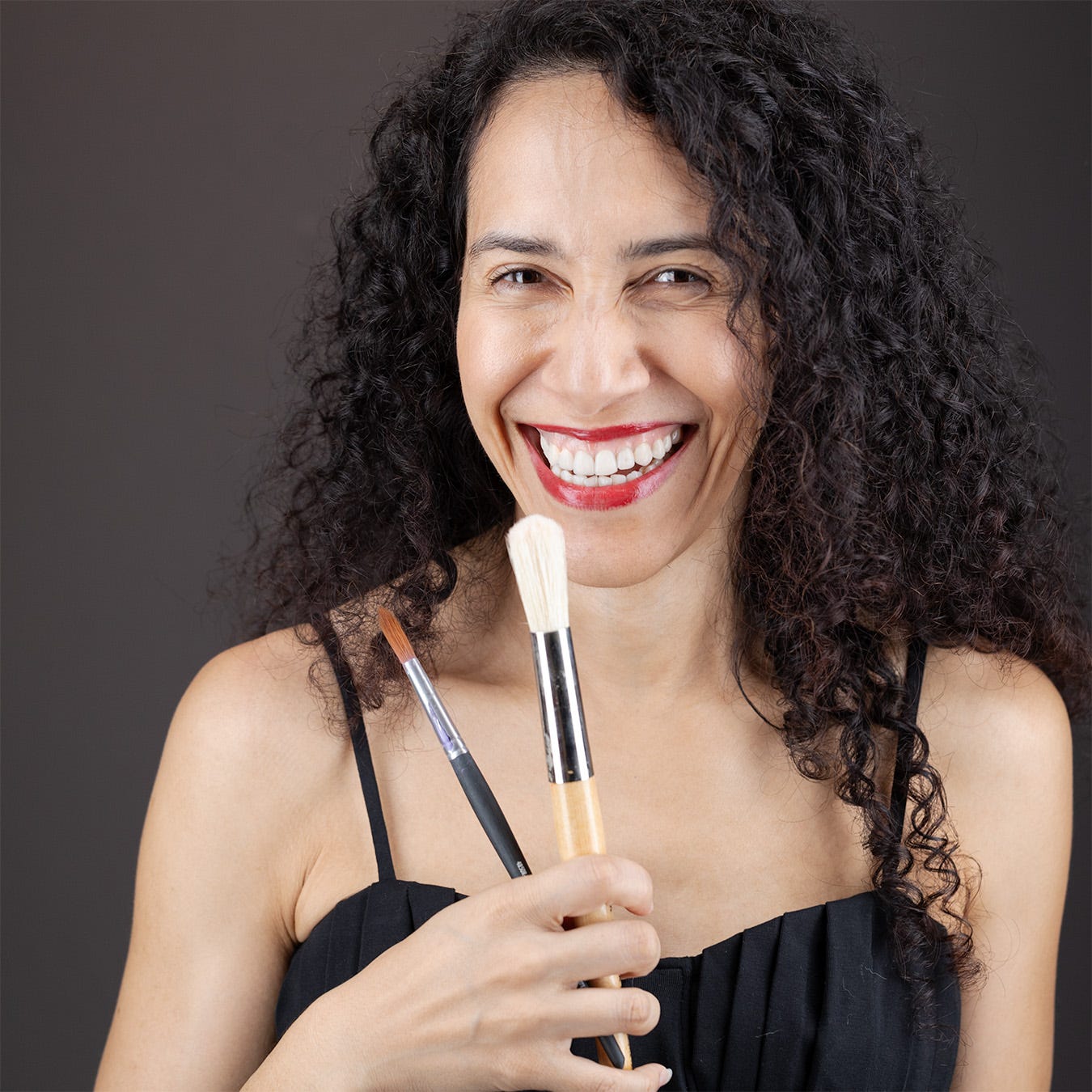
For those who are new here, I’m Claudia Marulanda, a portrait artist and workshop facilitator. I use art as a tool for healing, self-awareness, and envisioning who we are becoming.
This month, as we reflect on heritage, I’d love to know:
How has art, culture, or creativity helped you reclaim a part of yourself?
Thank you, Marianne. I always appreciate and love your words. I hope this helps others to look within as I've done.
Thank you for sharing your empowering story of truth, to power and transformation. Herein lies the tools, grace, strength and courage for others to transform lead into gold.